Matt Judge: Print or Pixel
Process Journal Edition One
April 13th 2010
Featured in Edition One of Process Journal, Matt Judge from Design Assembly discusses the future of design publishing in response to the overwhelming advancement of the internet...
The internet and technological advancements in our experience of the web are redefining the way we consume information. While demand for design publishing hasn't changed, distribution has (radically). Where once we would look to the pages of magazines such as Creative Review or Design Week, or at the latest Laurence King or Phaidon publication for our curated insight on all things design related, increasingly we are now turning to online resources such as blogs and 'webzines' for our fix.
An ever-growing demand for mobile content was confirmed with news that the Guardian App has been downloaded over 100,000 times in a little over two months, making it number one in the top paid-for app charts in the UK. For a small one-off fee (amounting to less than a week's worth of the printed publication), users are able to customise their experience of the Guardian, specifically targeting the features and information they are most interested in and downloading the content for consumption on or offline. A glimpse of the not-so-distant future for all publishers worldwide perhaps?
But designers are a different breed. Our industry cut its teeth on paper and ink, and the nostalgia towards this platform drives a demand which has seen more periodicals hitting the shelves, including new titles such as IdPure and Process (this being the very first edition), not fewer as expected.
This begs the question: what is the importance of print in design publishing's future? It's a difficult one to answer in the absence of a crystal ball and without exhibiting a little bias, as the vast majority of my work is in print and I love the medium, but I'll do my best.
To begin with, the biggest problem with printed publishing in general is that the vast majority is old news. In the time between finishing this article and it being printed the very subject will have been covered numerous times elsewhere online. Why wait for Creative Review's monthly journal to tell me how the latest Sony commercial was made when John Smith is hosting a 'the making of' video on their Tumblr, announced via twitter or an RSS feed. The very fact that I can now watch the video as opposed to being presented with a few select screens is a significant advantage in itself.
Convenience is another of the internet's biggest attributes. With a web device and internet connection content is readily available wherever you are and whenever you want it. You don't have to wait for information to come to you any more, you can go get it. It is more cost effective, as putting ink to paper is more costly than pixel to screen. Furthermore, should an article need updating, it can all be done in a matter of seconds at no further expense. The same can't be said for print.
Online design resources come equipped with functionality, encouraging designers to congregate and discuss their passions and professions. Comment streams and forums allow publishers to engage their audience, sharing information, opinions, inspiration and observations, essentially generating new, free content. In contrast, print only facilitates a one-way conversation. Sure, you can send an email to Design Week voicing your thoughts on a recently covered feature, and if you're lucky you'll get a mention in the readers' response section, but that was (so) last week. News has moved on, and so will have most of the audience.
Previously, both the value of distribution and of the content itself were intertwined, but now they are separable. Print no longer holds exclusivity over great journalism or writing, and where once being 'printed' offered kudos, esteemed industry professionals are happy to offer their insight indiscriminately, online or offset. After all, if the ultimate goal of broadcasting one's thoughts is to talk to the biggest audience possible, then the global reach of the web wins every time.
But for the design community print does of course have some redeeming features, one of which being it's very physicality. In a day and age where everything is becoming digital, from our music collection to our photo albums, the value of 'real' can be significant. The very fact that it is tangible makes us drawn to it. It offers exclusivity, even collectibility, and these are connections that have yet to be made to any online offerings. When the web truly discovers a solution for archiving content that isn't susceptible to virus, accidental deletion and is as accessable as a brief walk across to the book shelf, then it will stand a better chance.
For print designers specifically, the tactile nature of a magazine or journal can serve as a source of inspiration in itself, beyond the content. In an industry where much of our success is based upon a final aesthetic, print displays an appealing sensitivity to presentation, finishing and typography that the internet simply cannot provide.
Then there's the 'readability' factor to consider. I have friends who would prefer to print out text-heavy web pages to read comfortably at their leisure, rather than strain their eyes looking at a screen. Also, some passages of text may require more than one visit, and it can be frustrating to keep revisiting a web page to find your place when you can just turn to the folded corner of a book or magazine. With simultaneous development of both web interfaces and of screen hardware I'm sure this problem will be resolved, but it may take some time.
So, what is the future for print in design publishing?
You could argue that the popularity of online content will challenge our expectations of print, and in doing so champion quality. Publications such as Design Week may be forced to concentrate solely on a subscription based internet service as its value is in its immediacy, not in its presentation. However, publications such as Baseline that still have a loyal print following may need to reappraise their investment in design and print finishing.
IDEA magazine is a great example of a publication that pushes the envelope on print, whilst consistently evolving its approach to content and visual communication. Its attention to detail and its emphasis on more isolated subject matter establish it as an authority on great design, far from being a jack of all trades. Previous editions, such as their collaboration with Designers Republic, are even collectable and traded to the highest bidder years after being published, testimony of their enduring value and relevance.
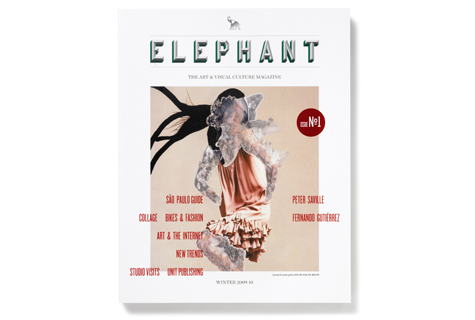
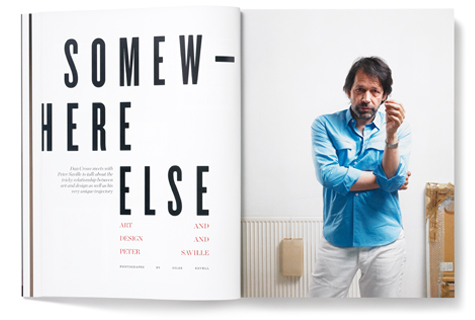
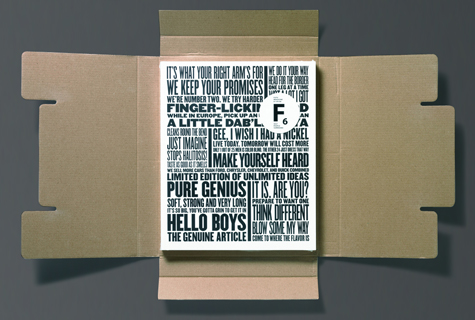
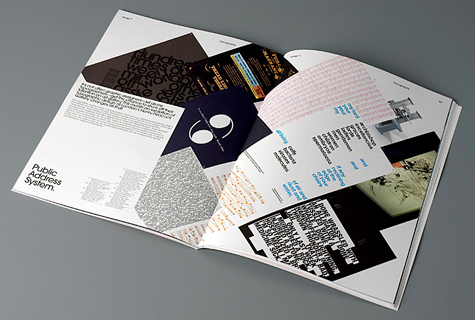
Print finishing aside, publications such as FUTU and Elephant show a willingness to collaborate and invest in great design that help give it a valuable USP. By engaging talent such as Studio8, offering them a platform for creative expression, the publications becomes more than just a collection of articles. They challenge the conformities of traditional editorial design much like Fabien Baron's Vogue did before them, often scrapping the grid in favour of a more crafted, tailored approach, spread by spread. While their success is more a matter of individual taste, as creatives we tend to appreciate innovation and, like the magpies that we are, collect it.
To broaden their offer, Elephant have also made their publication available online as part of a digital subscription. At a significantly reduced cost users can view the magazine, spread for spread, as an interactive PDF (essentially). This approach to a digital platform is a concern to Studio8's Matt Willey. 'It makes no sense to simply replicate the print version online... The web is a very different environment with very different possibilities, the magazines online presence has to make the most of that. Very few magazines have worked that out yet'. Few indeed, and of those who have even fewer succeed in taking advantage of all that print can offer.
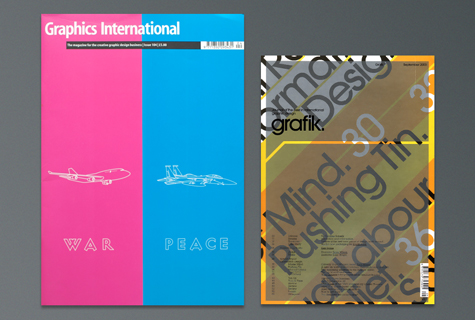
A strong emphasis on design can be met with a mixed reception. When Graphics International repositioned itself as Grafik in 2003, with MadeThought spearheading the redesign, it risked alienating a significant proportion of its loyal following who preferred the previous 'content over design' approach. Striking that balance between expression and communication isn't easy, but provided the design doesn't suffocate and is supported by good content it will inevitably find its niche. As I'm writing this the first edition of MadeThought's redesign can be found on ebay at several times it's cover price.
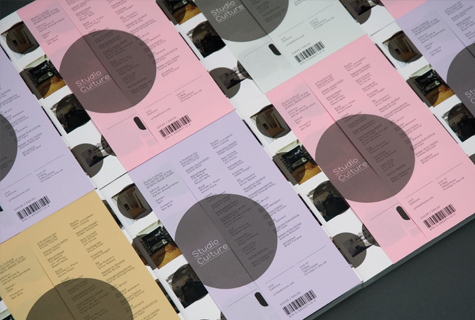
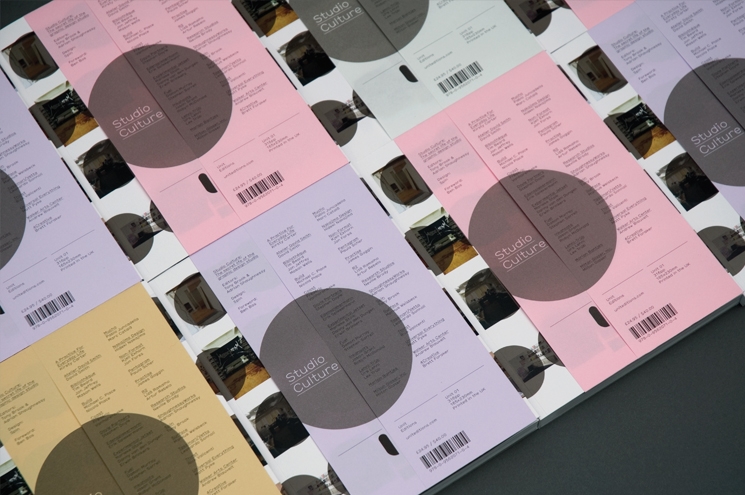
Perhaps the most significant development in design press will be the advent of guerilla publishing houses such as Unit Editions. The self-funded collaboration, founded in 2008 by Tony Brook (co-founder of Spin) and Adrian Shaughnessy (designer, writer and principal of ShaughnessyWorks), has already produced one successful publication, Studio Culture, with a second, Folkways, recently released. This unconventional approach offers an insight into design from those with industry pedigree, a pivotal factor in its success. With a healthy investment in both the quality of content and design, titles such as Studio Culture stand apart from other publications aimed at the same demographic. While their online presence acts as a valuable extension of the brand, engaging the design community, it is their investment in a printed offer that has made Unit Editions such an exciting prospect.
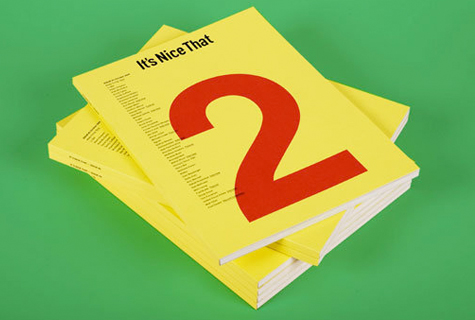
Similarly, blogs such as It's Nice That have emerged amongst this new breed of publishers, using their web following as a captive audience for self-published periodicals. According to Alex Bec, the Director and Editor of It's Nice That, print allows them to show the work 'as always intended, printed well and with respect, rather than in RGB on a monitor at low resolution only a few pixels wide'. Their journals document the best of the site's offerings interwoven with new content and a spirited emphasis on strong design, concept and execution. Produced in collaboration with Marque Creative Director Joseph Burrin, so far they have produced 2 editions, both selling out rapidly. The third installment in the series, released in March of this year, will also be available in its entirety online, giving their audience the choice to support the traditional, printed version, or opt for the immediacy and convenience of digital.
Examples such as this and Creative Review prove that while the pixel clearly holds many advantages over print, the two mediums can exist very happily together to provide a combined, superior offer. While there is still a demand for print, whether driven by nostalgia or necessity, publishers will continue to print periodicals that are supported by their more immediate online presence, either as part of a subscription model or with shorter, more time sensitive observations on a public service basis.
To conclude, true tests to the format will come with the html developments of design components such as typography, allowing for more expression and less limitation without compromising accessibility. Technological advancements in our experience of the web will also play their part. As I write this the world is waiting with baited breath for the arrival of the iPad, a product that is certain to make an impact on the publishing world and maybe even alter the value we place on print.
However, it is my belief that as long as ink is being laid on paper, print still has a significant role to play in design publishing, but only when it accepts its shortcomings and starts to take full advantage of its unquestionable strengths. When both platforms are combined to form a consolidated offer, the result is where the future of design publishing truly lies.
Matt Judge
Design Assembly
—
Bio
Designer/Art Director based between London and San Francisco, having worked at design studios such as SEA, This is Real Art and Moving Brands.
In 2008 Matt co-founded Design Assembly, an interactive design forum managed by industry professionals for fellow creatives. Made up from a select group of individuals working at renowned global agencies, Design Assembly's objective is to reveal, discuss and debate inspirational pieces of work both past and present.